Laparoscopy – A Modern Choice in General Surgery
2025-12-15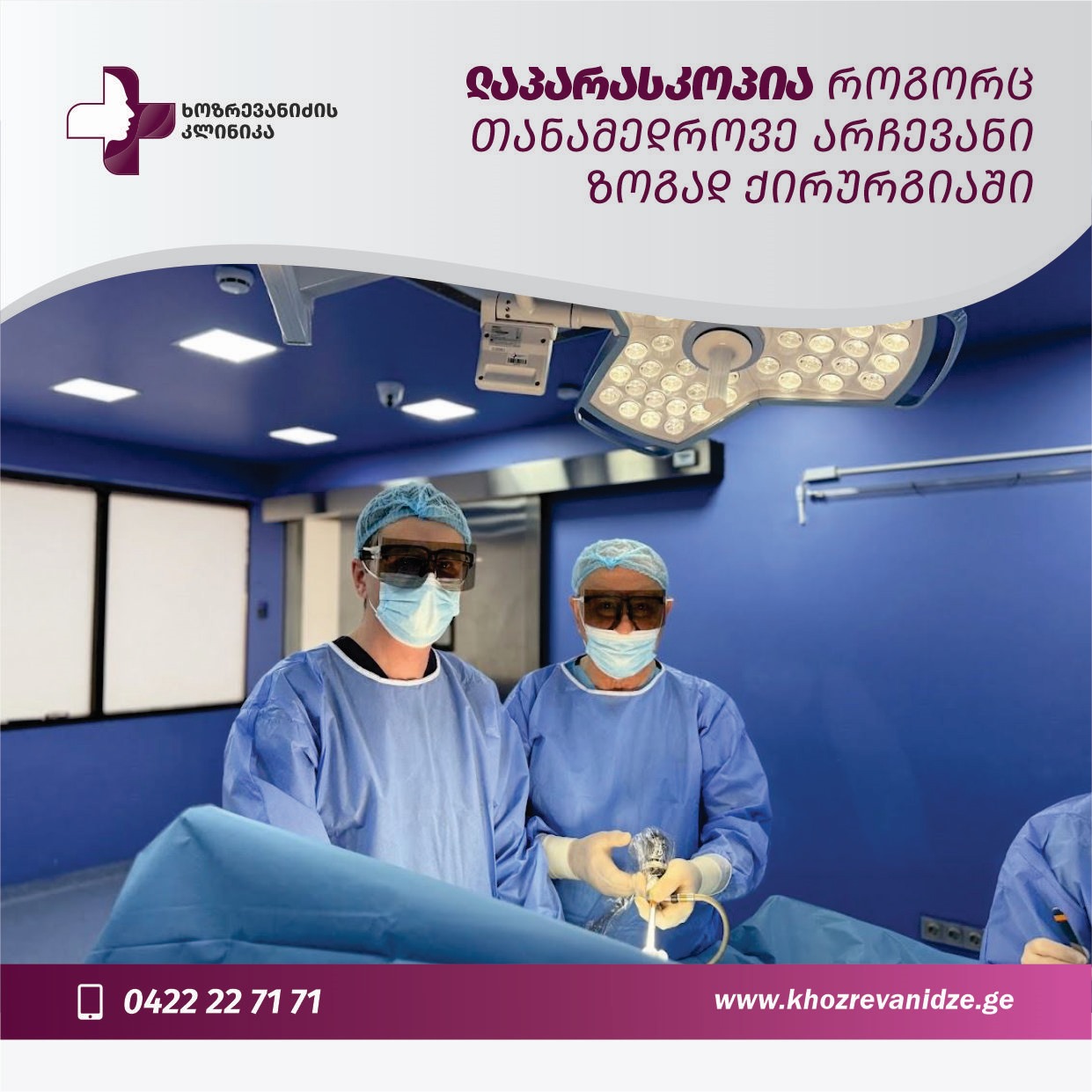
Laparoscopy is one of the most important achievements of modern general surgery and is now widely used for both diagnostic and therapeutic purposes.
What Is Laparoscopy in Simple Terms?
Laparoscopy is a surgical method in which the surgeon does not make a large incision. Instead, several small incisions (usually 0.5–1.5 cm) are made in the abdominal wall, through which the following are inserted:
-
A laparoscope – a video camera with a light source
-
Specialized surgical instruments
Using the camera, images of the internal organs of the abdominal cavity are transmitted to a large monitor in 4K or 3D mode, allowing the surgeon to operate with high precision and full control.
Why Is Laparoscopy Considered the Gold Standard of Modern Surgery?
Laparoscopic surgery is regarded as the “gold standard” in leading clinics worldwide because it combines three key factors:
-
Effectiveness – easy access to hard-to-reach and narrow anatomical areas
-
Safety – a lower risk of complications
-
Maximum patient comfort
This method is especially important for people who expect a fast recovery and a quick return to daily life after surgery.
Main Advantages of Laparoscopy
The popularity of laparoscopy is explained by its many practical benefits:
🔹 Less pain
Small incisions mean less tissue damage, significantly reducing postoperative pain.
🔹 Faster recovery
Most patients return to normal daily activities within a few days, and in some cases, even the next day.
🔹 Shorter hospital stay
Patients often leave the clinic within 24–48 hours after surgery.
🔹 Cosmetic benefit
Small scars are less noticeable and often fade almost completely over time.
🔹 Lower risk of complications
The likelihood of infection, bleeding, and postoperative complications is significantly reduced.
What Types of Surgeries Are Performed Laparoscopically?
In general surgery, the laparoscopic method is successfully used for many conditions, including:
-
Removal of the gallbladder with gallstones (cholecystectomy)
-
Surgery on the bile ducts, including stone removal in cases complicated by jaundice
-
Urgent (emergency) surgeries for conditions such as appendicitis, perforation, and intestinal obstruction
-
Laparoscopic treatment of hernias of any localization (inguinal, umbilical, postoperative, diaphragmatic)
-
Certain surgeries on the liver, pancreas, intestines, and stomach for both benign and malignant diseases
-
Diagnostic laparoscopy when an accurate diagnosis is required
The choice of surgical method is always individual and based on the patient’s overall health condition.
Is Laparoscopy Suitable for Everyone?
Despite its many advantages, laparoscopy is not used in all cases. The decision is made by the surgeon, taking into account:
-
The type and severity of the disease
-
The patient’s age and general health
-
Coexisting illnesses and previous surgeries
In some complex or emergency situations, traditional open surgery may be necessary. However, modern medicine continues to expand the indications for laparoscopic procedures.
Technology and Surgeon’s Experience – The Key to Success
Laparoscopic surgery requires:
-
Modern, high-tech equipment and instruments
-
Highly qualified and experienced surgeons
These two factors are decisive for the safety and success of the operation.
At Khozrevanidze Clinic, laparoscopic surgery is performed in accordance with modern international standards by experienced specialists, ensuring high-quality treatment and maximum patient safety.
Why Do Patients Choose Laparoscopy?
Laparoscopy is not just a technological advancement – it is a patient-centered approach aimed at:
-
Less stress
-
Faster results
-
Rapid restoration of quality of life
That is why laparoscopic surgery is considered a smart and modern choice for many surgical conditions today.
Khozrevanidze Clinic – Modern Surgery with Trust and Experience
Khozrevanidze Clinic continuously implements modern medical approaches to offer every patient safe, effective, and comfortable treatment.